
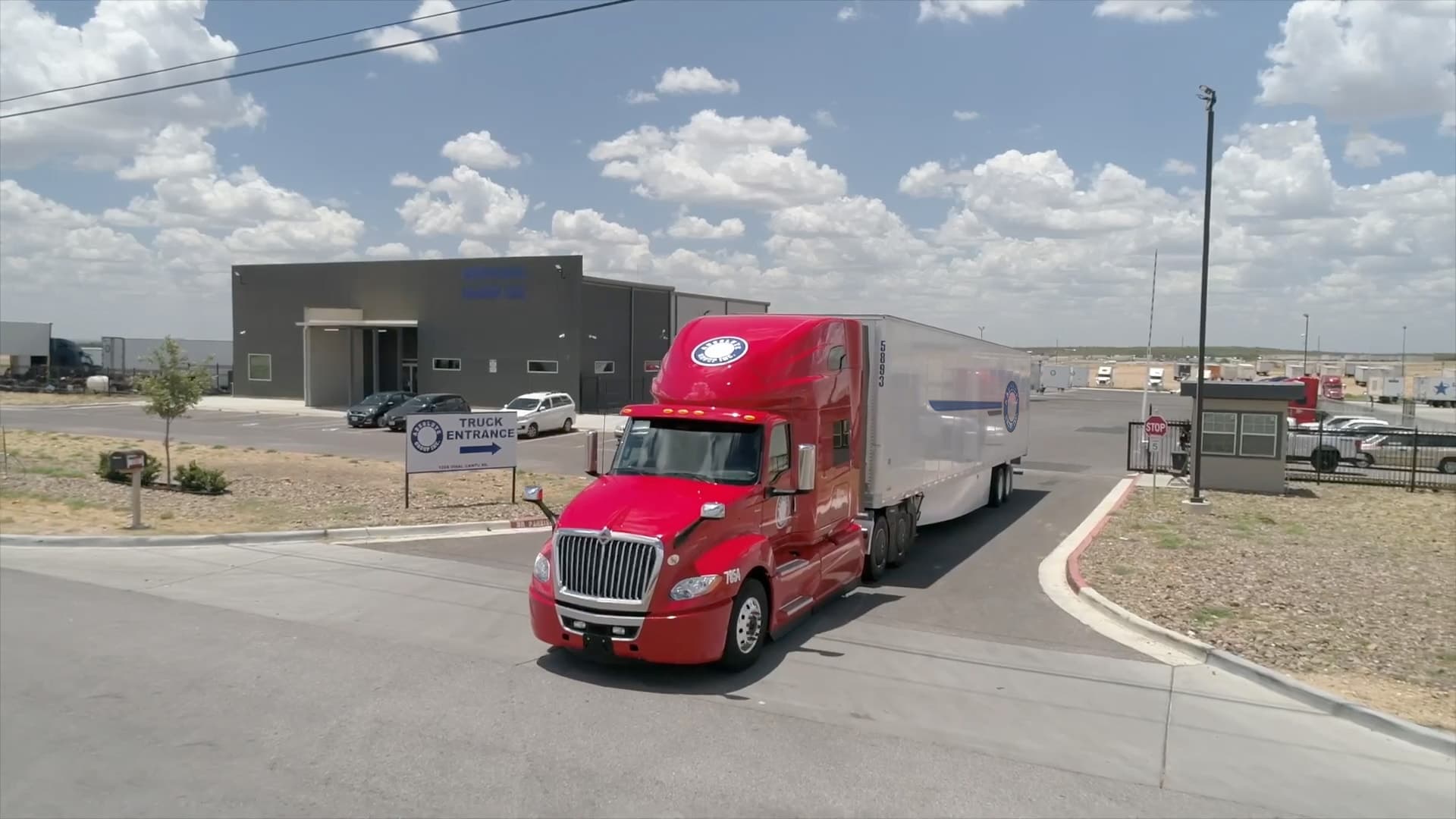
Mexico-United States Logistics Guide for 2026 absolute January 6, 2026 10:53 am No Comments Cross Border Logistics Planning for 2026 How to Start the Year Strong January marks a critical reset point for supply chains. Budgets are approved, strategies are refined, and logistics leaders evaluate what worked—and what didn’t—the year before.For companies operating across the U.S.–Mexico corridor, Mexico-United States Logistics planning for 2026 is not just an operational task; it’s a strategic advantage.Starting the year with a clear, proactive logistics plan can reduce costs, improve reliability, and prevent disruptions during peak periods later in the year.Below is a practical guide to help companies start 2026 with a stronger, more resilient cross-border logistics strategy—and how Absolute supports that process. Why January Is the Best Time to Reset Your Cross Border Logistics Strategy January offers a unique opportunity to reassess and realign logistics operations before volumes increase and capacity tightens. Key advantages of planning early in the year include: Fresh annual budgets and financial clarity Greater carrier availability compared to peak seasons Time to renegotiate contracts and service levels Opportunity to correct inefficiencies from the previous year Better preparation for nearshoring-driven growth Companies that wait until mid-year often find themselves reacting to congestion, rate increases, and compliance issues instead of managing them proactively. Aligning Capacity, Technology, and Compliance From Day One Successful logistics strategies balance three critical pillars: 1. Capacity Planning With nearshoring continuing to expand, securing reliable cross-border capacity early in the year is essential. Waiting too long can result in limited options and higher costs during peak periods. 2. Technology and Visibility In 2026, visibility is no longer optional. Integrated TMS platforms, real-time GPS tracking, and predictive ETAs allow companies to anticipate delays and communicate proactively with customers. 3. Compliance and Customs Coordination Stricter documentation audits, increased digitalization, and higher penalties mean compliance accuracy must be part of the strategy—not an afterthought. Aligning these elements from the beginning of the year creates consistency, predictability, and stronger performance across the supply chain Key Questions Companies Should Ask When Planning Cross Border Logistics for 2026 Effective cross border logistics planning 2026 starts with the right questions: Do we have real-time visibility across all cross-border shipments? Are our carriers prepared for volume spikes and regulatory changes? Are customs processes optimized to reduce dwell time? Do we have accurate ETAs and reliable communication channels? Are we aligned with nearshoring trends impacting Mexico–U.S. lanes? Honest answers to these questions reveal gaps that can be addressed early—before they become costly disruptions. Common Mistakes Companies Make at the Start of the Year Even experienced shippers make avoidable mistakes in January that impact performance later in the year: Delaying carrier evaluations and contract reviews Focusing only on rates instead of reliability and visibility Underestimating border congestion at key crossings like Laredo Ignoring upcoming regulatory changes Relying on reactive problem-solving instead of data-driven planning Avoiding these pitfalls early sets the foundation for smoother operations throughout 2026. How Absolute Helps Companies Start 2026 With a Strong Logistics Foundation At Absolute, we work with shippers to turn planning into execution. Our approach to cross border logistics planning 2026 focuses on clarity, coordination, and control. How Absolute supports your 2026 strategy: Strategic capacity planning for Mexico–U.S. lanes Real-time GPS and TMS visibility across shipments Deep operational expertise in Laredo and major border crossings Proactive customs and compliance coordination Predictable ETAs and reduced dwell time Data-driven insights to support long-term planning By partnering early in the year, companies gain a logistics framework designed to scale with demand and adapt to changing conditions. Frequently Asked Questions Why is January important for cross border logistics planning? January allows companies to align budgets, capacity, technology, and compliance before demand increases, reducing risks later in the year. What should a 2026 cross border logistics strategy include? A strong strategy includes reliable capacity, real-time visibility, regulatory compliance, contingency planning, and experienced cross-border partners. How does nearshoring impact logistics planning for 2026? Nearshoring increases freight volumes, shortens supply chains, and raises the need for precise scheduling and dependable carriers on Mexico–U.S. routes. How early should companies plan cross border freight for the year? Ideally, planning should begin in January to secure capacity, align systems, and prepare for peak seasons well in advance. {"@context":"https:\/\/schema.org","@type":"FAQPage","mainEntity":[{"@type":"Question","name":"Why is January important for cross border logistics planning?","acceptedAnswer":{"@type":"Answer","text":"January allows companies to align budgets, capacity, technology, and compliance before demand increases, reducing risks later in the year."}},{"@type":"Question","name":"What should a 2026 cross border logistics strategy include?","acceptedAnswer":{"@type":"Answer","text":"A strong strategy includes reliable capacity, real-time visibility, regulatory compliance, contingency planning, and experienced cross-border partners."}},{"@type":"Question","name":"How does nearshoring impact logistics planning for 2026?","acceptedAnswer":{"@type":"Answer","text":"Nearshoring increases freight volumes, shortens supply chains, and raises the need for precise scheduling and dependable carriers on Mexico\u2013U.S. routes."}},{"@type":"Question","name":"How early should companies plan cross border freight for the year?","acceptedAnswer":{"@type":"Answer","text":"Ideally, planning should begin in January to secure capacity, align systems, and prepare for peak seasons well in advance."}}]} Start 2026 With a Smarter Cross Border Logistics Plan The companies that perform best in 2026 will be those that planned early, invested in visibility, and partnered with logistics providers that understand the complexity of cross-border operations.Absolute is ready to help you build a stronger, more predictable logistics strategy from day one. Request a 2026 cross border logistics planning session Talk to an Absolute logistics specialist Strengthen your Mexico–U.S. operations with Absolute